
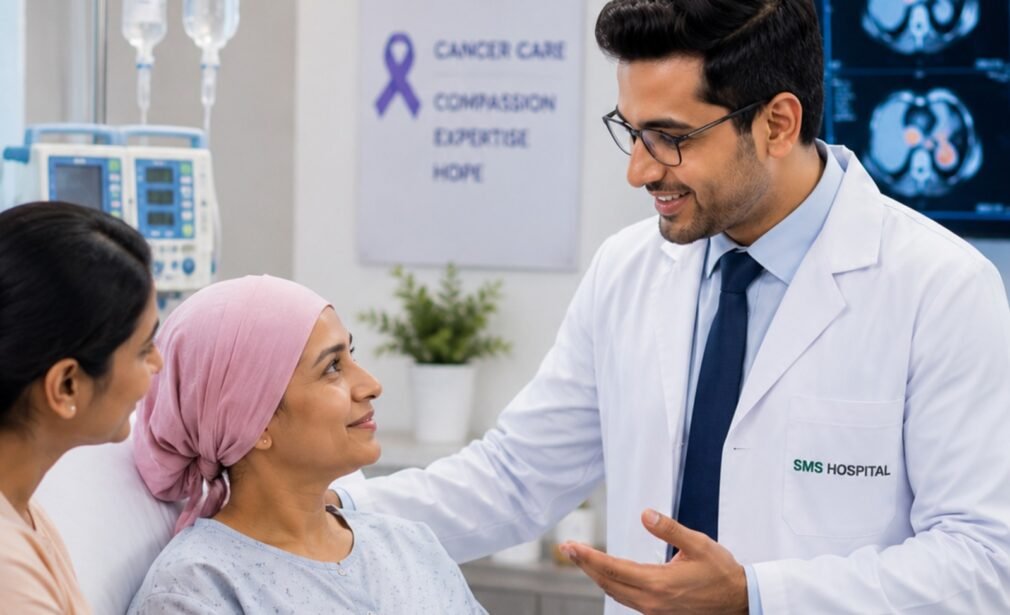
Comprehensive Cancer Care with Compassion & Expertise
The Oncology & Cancer Care Department provides advanced diagnosis, treatment, rehabilitation, and supportive care for patients with all types of cancers. Our multidisciplinary team of oncologists, surgeons, radiation specialists, pathologists, radiologists, and supportive care experts work together to deliver personalized cancer treatment plans focused on the best possible outcomes.
We combine modern technology, evidence-based treatments, and compassionate care to support patients throughout every stage of their cancer journey.
Cancer requires specialized care, early diagnosis, accurate staging, and personalized treatment. Our department offers a complete spectrum of cancer services—from screening and diagnosis to advanced treatment and survivorship care.
Our goal is not only to treat cancer but also to improve quality of life, support recovery, and provide emotional and physical well-being for patients and their families.
Our Oncology & Cancer Care Services
Cancer Screening & Early Detection
- Breast Cancer Screening
- Cervical Cancer Screening
- Oral Cancer Screening
- Lung Cancer Evaluation
- Prostate Cancer Screening
- Gastrointestinal Cancer Screening
- Cancer Risk Assessment Programs
Medical Oncology
- Chemotherapy
- Targeted Therapy
- Immunotherapy
- Hormonal Therapy
- Personalized Cancer Treatment Plans
- Day Care Chemotherapy Services
Surgical Oncology
- Breast Cancer Surgery
- Gastrointestinal Cancer Surgery
- Head & Neck Cancer Surgery
- Gynecological Cancer Surgery
- Thoracic Cancer Surgery
- Soft Tissue Tumor Surgery
- Cancer Reconstruction Procedures
Radiation Oncology Support
- Radiation Therapy Planning
- External Beam Radiation Therapy
- Combined Cancer Treatment Programs
- Multidisciplinary Cancer Management
Hemato-Oncology
- Blood Cancer Evaluation
- Leukemia Management
- Lymphoma Treatment
- Multiple Myeloma Care
- Bone Marrow Disorder Management
Palliative & Supportive Care
- Cancer Pain Management
- Nutritional Support
- Symptom Management
- Psychological Counseling
- End-of-Life Care Support
- Survivorship Programs
Types of Cancer We Treat
Breast Cancer
- Early & Advanced Breast Cancer
- Breast Conservation Surgery
- Breast Cancer Follow-Up Care
Head & Neck Cancer
- Oral Cancer
- Tongue Cancer
- Throat Cancer
- Laryngeal Cancer
- Salivary Gland Tumors
Gastrointestinal Cancers
- Stomach Cancer
- Colon Cancer
- Rectal Cancer
- Liver Cancer
- Pancreatic Cancer
- Esophageal Cancer
Gynecological Cancers
- Cervical Cancer
- Ovarian Cancer
- Uterine Cancer
- Endometrial Cancer
Urological Cancers
- Prostate Cancer
- Kidney Cancer
- Bladder Cancer
- Testicular Cancer
Thoracic Cancers
- Lung Cancer
- Mediastinal Tumors
- Pleural Malignancies
Blood & Bone Marrow Cancers
- Leukemia
- Lymphoma
- Multiple Myeloma
Advanced Facilities & Technology
- Advanced Cancer Diagnostics
- CT Scan & MRI Support
- PET-CT Referral Support
- Histopathology & Cytopathology Services
- Chemotherapy Day Care Unit
- Tumor Board Consultation
- Modern Surgical Oncology Facilities
- Cancer Rehabilitation Services
- Comprehensive Pain Management Programs
Warning Signs of Cancer
Consult a specialist if you experience:
- Unexplained Weight Loss
- Persistent Lump or Swelling
- Non-Healing Ulcers
- Persistent Cough or Hoarseness
- Difficulty Swallowing
- Unusual Bleeding or Discharge
- Changes in Bowel or Bladder Habits
- Persistent Fatigue
- Changes in Moles or Skin Lesions
Why Choose Our Oncology & Cancer Care Department?
✔ Multidisciplinary Cancer Care Team
✔ Personalized Treatment Plans
✔ Advanced Cancer Diagnostics
✔ Comprehensive Surgical Oncology Services
✔ Chemotherapy & Targeted Therapy Expertise
✔ Dedicated Cancer Rehabilitation Support
✔ Compassionate Patient-Centered Care
✔ Long-Term Follow-Up & Survivorship Programs
Frequently asked questions
Yes. Many cancers have significantly higher cure rates when diagnosed and treated in the early stages.
Symptoms vary depending on the type of cancer but may include unexplained weight loss, persistent lumps, abnormal bleeding, prolonged cough, fatigue, and changes in bowel or bladder habits.
Chemotherapy uses specialized medicines to destroy cancer cells or stop their growth and spread.
Immunotherapy helps the body’s immune system recognize and fight cancer cells more effectively.
No. Treatment depends on the cancer type and stage and may include surgery, chemotherapy, radiation therapy, targeted therapy, or a combination of these.
Targeted therapy uses medications that specifically attack cancer cells while minimizing damage to healthy tissues.
Some cancers may recur after treatment, which is why regular follow-up and monitoring are important.
Regular screening helps detect cancer at an early stage when treatment is often more effective and outcomes are better.